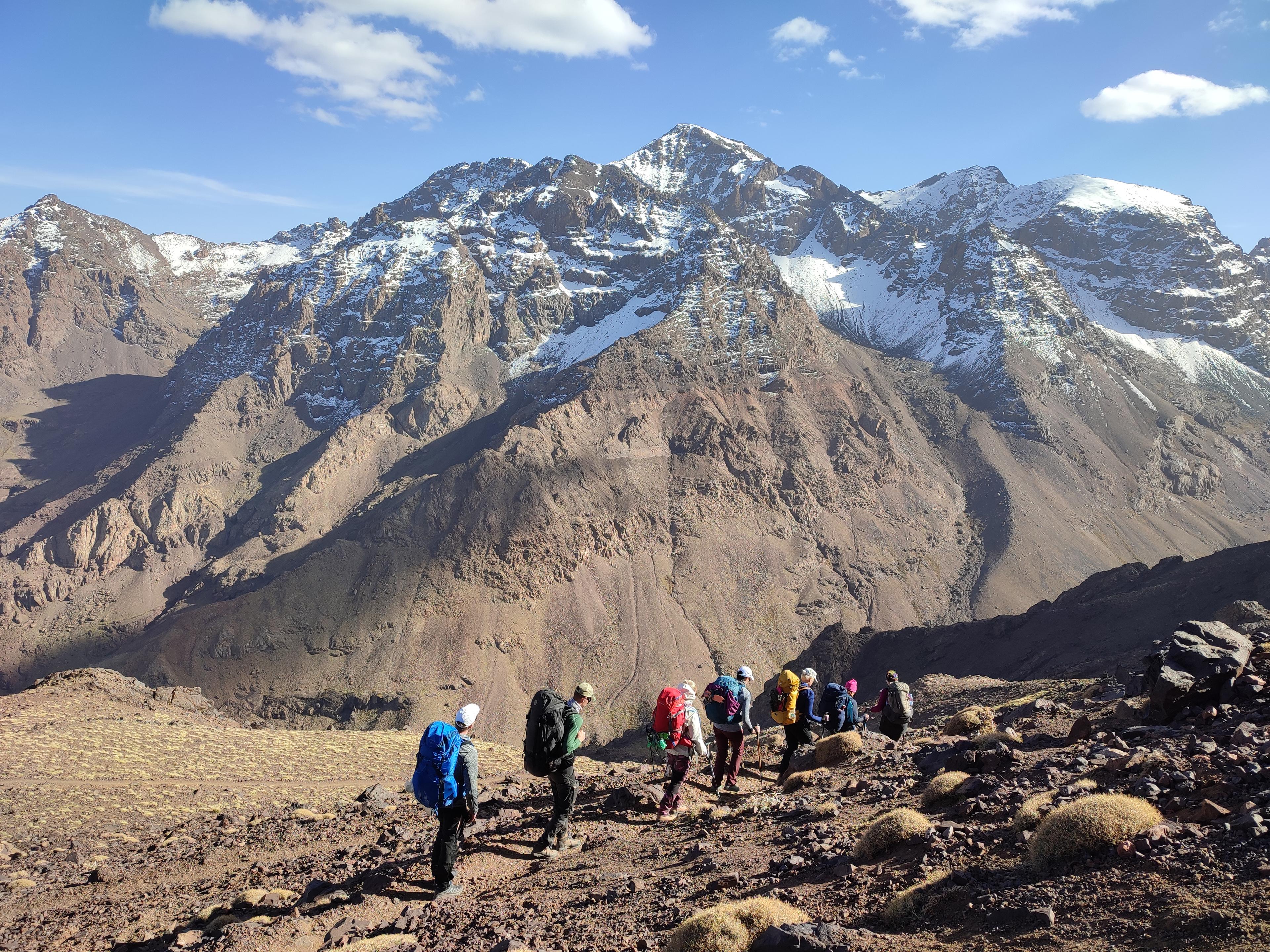
Authentic High Atlas Mountain trekking with hikers on mountain ridge

Beyond Morocco · High Atlas Expeditions

Mountain Trekking
& Hiking

Walk beyond the ordinary. Conquering North Africa’s highest peaks and remote Berber valleys.

Scroll
Highest Summit4,167 m

Mount Toubkal (North Africa)

Guide StandardCFAMM Certified

Official Moroccan mountain diploma

Pack Logistics100% Mule Support

Carry only your daypack

Best Trekking WindowsMar–Jun · Sep–Nov

Winter alpine routes on request

01 · The High Atlas Routes

Trekking Expeditions

All treks include private Marrakech road transfers, licensed mountain guide, baggage-mules, refuge/gîte accommodation, and freshly cooked meals.

Mount Toubkal Summit
High Atlas Mountains
2 Days·Challenging·30 km total·+2,427 m ascent / -2,427 m descent

Mount Toubkal Summit

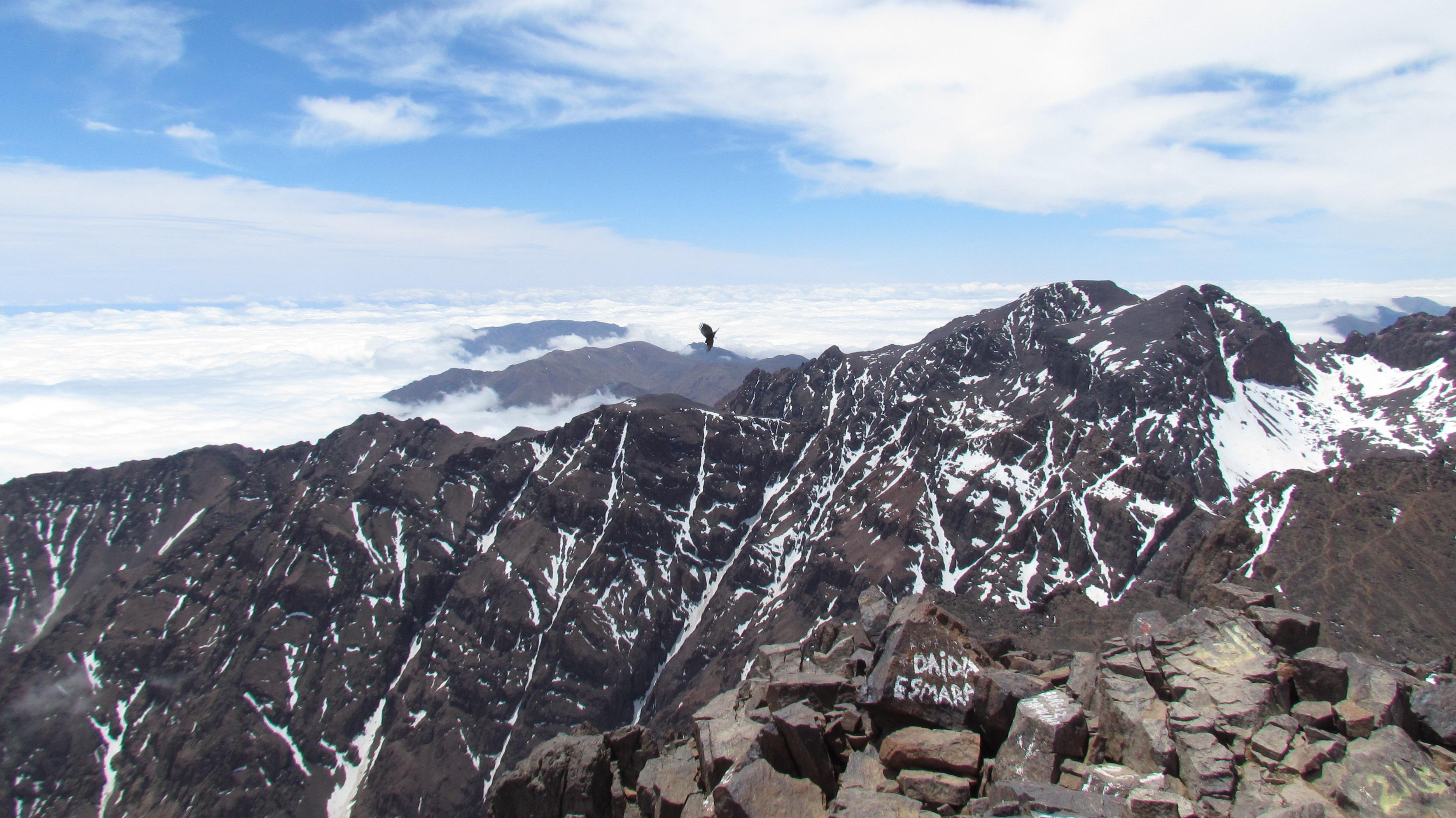
The definitive ascent of North Africa’s highest peak at 4,167 meters. Starting from the traditional Berber stone village of Imlil, trek through walnut groves and the sacred shrine of Sidi Chamharouch up to the high alpine refuge at 3,207 meters. A pre-dawn push up the South Cirque scree slopes brings you to the legendary triangular metal summit marker as the first rays of sun ignite the High Atlas ridges and stretch across the Anti-Atlas toward the Sahara.

Route Highlights

  • ―Stand on North Africa’s highest summit (4,167 m) at sunrise
  • ―High-altitude alpine panorama sweeping from Toubkal massif to the Sahara
  • ―Ascent through traditional Berber settlements in the Ait Mizane Valley
  • ―Overnight stay at the historic Toubkal Alpine Refuge (3,207 m)
Daily Trail Pacing: 5–6 hrs (Day 1) / 9–10 hrs (Day 2)
Starting estimate*
€280/ person
*Starting estimate per person (private)
View Details→
Atlas Mountains Village Trek
Aït Bouguemez Valley
5 Days·Moderate·62 km total·+3,150 m total ascent / -2,950 m descent

Atlas Mountains Village Trek

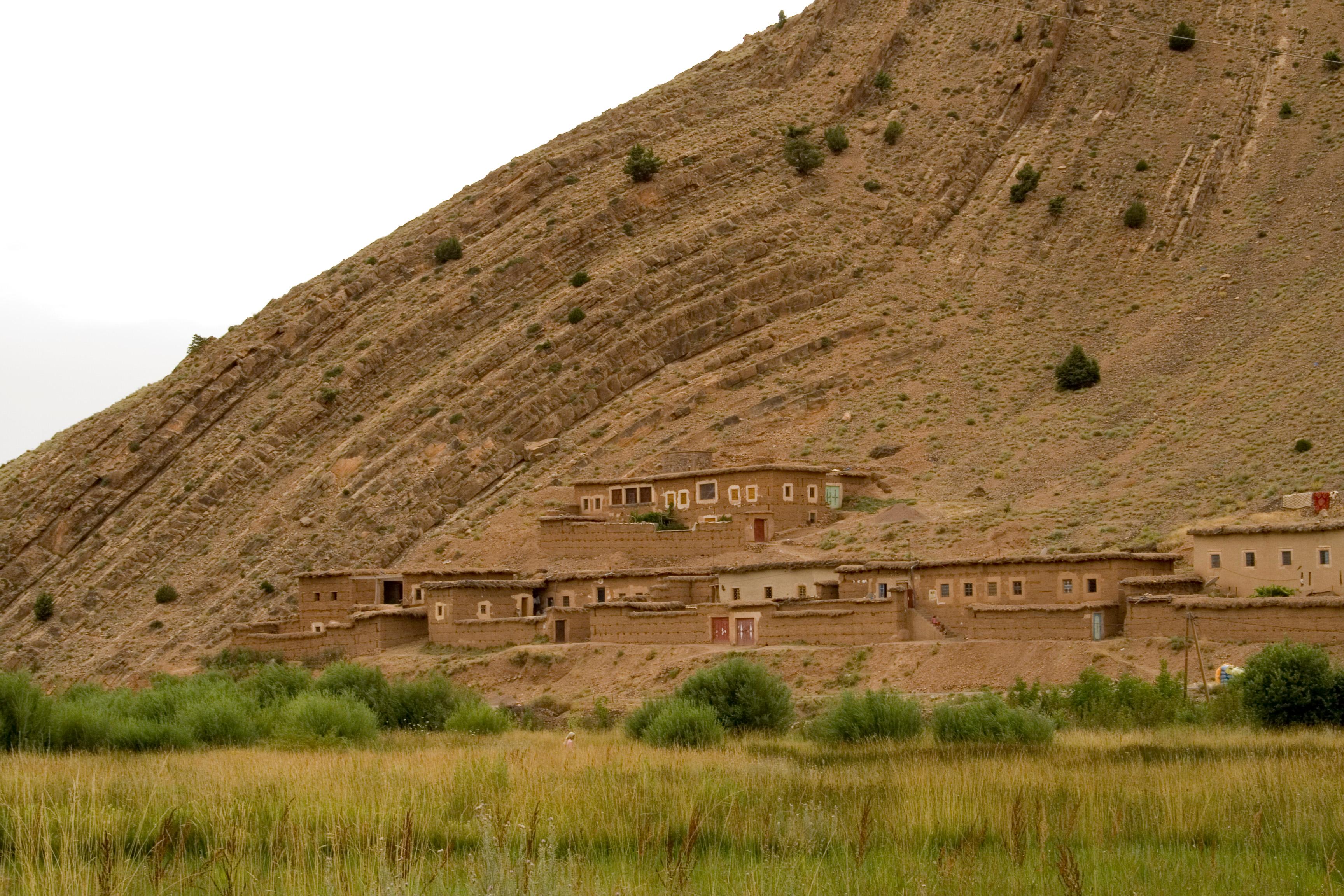
Immerse yourself in Morocco’s fabled "Happy Valley" (Aït Bouguemez) and surrounding Central High Atlas massifs. Far removed from the tourist bus circuits, this 5-day journey threads between terraced apple orchards, centuries-old communal granaries (Agadir n’Ibours), rushing irrigation canals, and dramatic red-earth villages. Cross high mountain passes above 2,900 meters with sweeping vistas of M’Goun massif, sleeping each night in welcoming family-run Berber gîtes.

Route Highlights

  • ―Trek through the untouched terraced landscape of Aït Bouguemez Valley
  • ―Cross high alpine passes including Tizi n’Aït Imi (2,905 m) with views of Jbel M’Goun
  • ―Overnight stays in traditional adobe Berber village guesthouses (gîtes)
  • ―Visit prehistoric dinosaur footprint sites and ancient fortified granaries (Agadir)
Daily Trail Pacing: 5–6.5 hrs daily
Starting estimate*
€680/ person
*Starting estimate per person (private)
View Details→

02 · Mountaineering Safety

Altitude Acclimatization & Safety Protocol

Mount Toubkal stands at 4,167 meters where atmospheric pressure is roughly 60% of sea level. While non-technical in summer, physical safety demands proper acclimatization, adequate hydration, and seasoned guide judgment.

⛰

Gradual Acclimatization Strategy

Our itineraries follow the proven alpine principle of "climb high, sleep low" with steady pacing ("shwaya b'shwaya"). Daily vertical gains are structured to keep resting heart rates balanced and maximize summit success rates on Mount Toubkal.

Safety Standard 01
🩺

Refuge Oxygen Monitoring

At the 3,207 m Toubkal Refuge, our lead guides conduct voluntary pulse oximeter checks (blood oxygen saturation SpO2 and resting heart rate) before dinner to monitor altitude tolerance before the summit push.

Safety Standard 02
🚑

Rapid Descent & Evacuation Mules

Should any hiker experience severe Acute Mountain Sickness (AMS), the immediate medical protocol is rapid descent. Evacuation mules and trail handlers remain permanently stationed at the high refuges for swift transfer down to Imlil.

Safety Standard 03
❄

Weather & Seasonal Preparedness

High Atlas weather can swing dramatically. Our guides receive daily meteorological satellite reports from the Royal Meteorological Directorate. From November to April, crampons and ice axes are verified before departure.

Safety Standard 04

03 · The Local Mountain Team

Certified Mountain Guides & Freshly Cooked Food

Our lead mountain guides hold official professional diplomas issued by the Centre de Formation aux Métiers de Montagne (CFAMM) in Tabant and are registered with the Royal Moroccan Ski & Mountaineering Federation. They are native to the Imlil and Aït Bouguemez valleys, fluent in English, French, and Tamazight.

  • Dedicated Mountain Cook: No freeze-dried packets. Our accompanying Berber cook prepares hot three-course lunches and dinners trailside: fresh vegetable salads, spiced meat/vegetable tagines, hearty lentils, harira soup, and fresh fruit.
  • Ethical Mule Logistics: Baggage mules carry all duffels, cook equipment, and safety supplies. Mule loads are strictly kept within humane limits (max 40 kg per mule) in accordance with animal welfare guidelines.
  • Refuges & Gîtes: On Toubkal, stay at the historic stone refuge (3,207 m) with hot tea, fireplaces, and dormitory bunks. On valley treks, sleep in traditional family-run Berber stone guesthouses with warm hospitality.
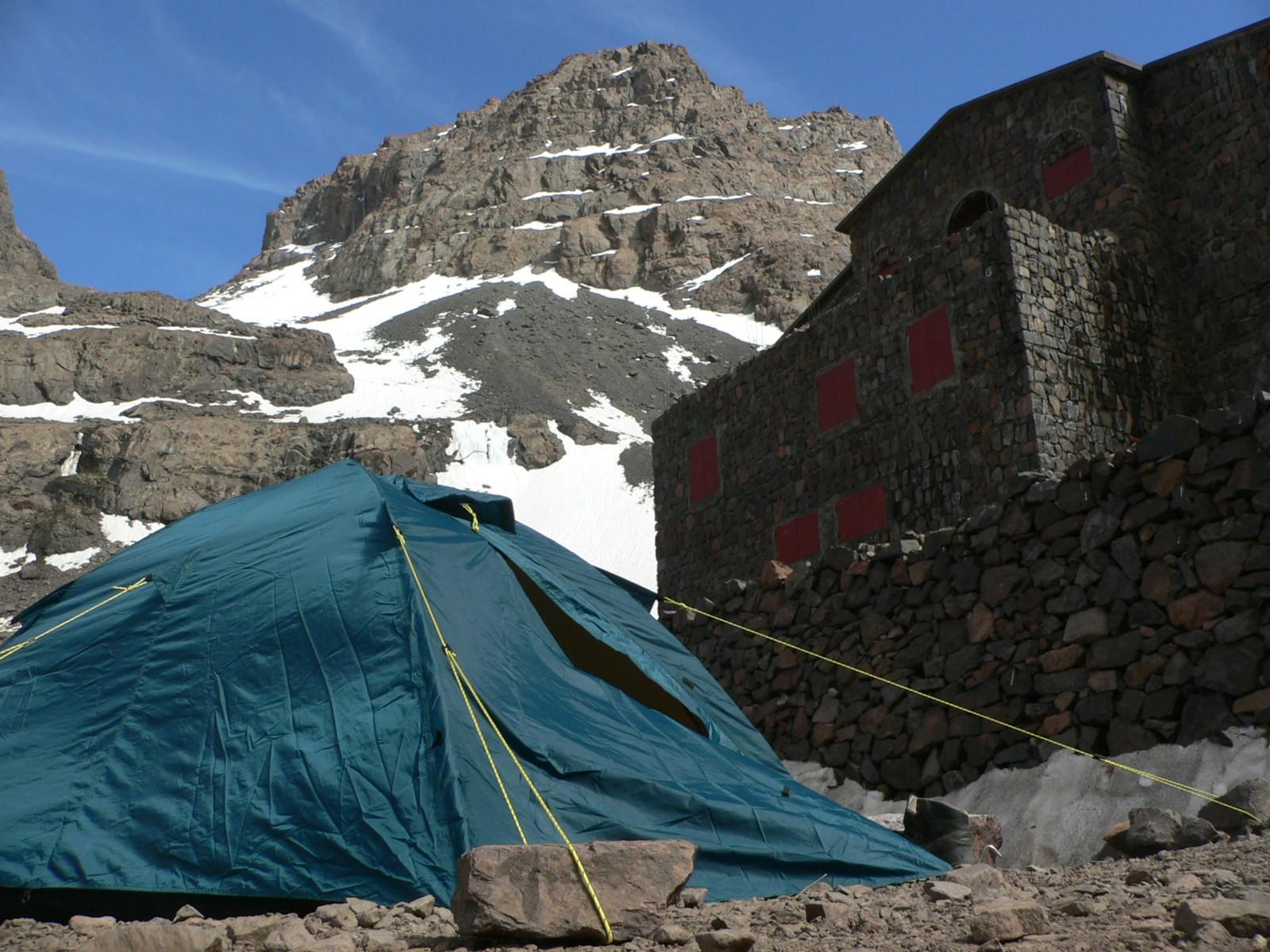
Toubkal Refuge at 3,207 meters in the High Atlas
The Toubkal Alpine Refuge (3,207 m) — our base camp before the early morning push to the 4,167 m summit.

04 · Gear Checklist

High Atlas Equipment Checklist

Proper footwear and layering will make the difference between an exhausting ordeal and an exhilarating summit experience.

Footwear & Support

  • Sturdy waterproof trekking boots with stiff ankle support & Vibram soles
  • Trail-running shoes or camp sandals for relaxing in refuges/gîtes
  • High-cushion merino wool trekking socks (3–4 pairs) to prevent blisters
  • Gaiters for scree slopes, summer dust, and seasonal snowfields

Alpine Layering System

  • Moisture-wicking merino or synthetic thermal base layers (top & bottom)
  • Breathable insulating mid-layer (fleece or lightweight down jacket)
  • Waterproof & windproof breathable outer shell jacket (Gore-Tex or equivalent)
  • UV-protection trekking trousers with zip-off or ventilation options
  • Warm fleece gloves, thermal beanie, and wide-brim sun protection hat

Summit & Technical Gear

  • Adjustable trekking poles with carbide tips and rubber caps (essential for descents)
  • 30–35 L daypack with integrated rain cover (main duffels carried by mules)
  • High-lumen headlamp with fresh batteries and spare set (critical for 04:00 AM push)
  • Category 3 or 4 polarized sunglasses to guard against high-altitude snow glare
  • Winter season (Nov–April): Walking crampons and mountaineering ice axe

Hydration, Health & Personal

  • Reusable water bottles or hydration bladder with minimum 3-liter daily capacity
  • Water purification tablets (Micropur) or hollow-fiber filtration bottle
  • High-SPF water-resistant sunscreen (factor 50+) and zinc lip balm
  • Lightweight sleeping bag (-5°C comfort rating recommended for high refuges)
  • Personal blister kit (Compeed), electrolytes, pain relief, and prescription medications
  • Compact quick-drying travel towel and biodegradable wash wipes

Mules carry your main duffel bag (up to 15 kg). You only carry a 30L daypack with your water, shell jacket, camera, and trail snacks.

Start Your Expedition

Ready to Summit Mount Toubkal?

Inquire About Trekking Dates→