Tiizi & Tagine: Living Mountain Heritage of the High Atlas Amazigh
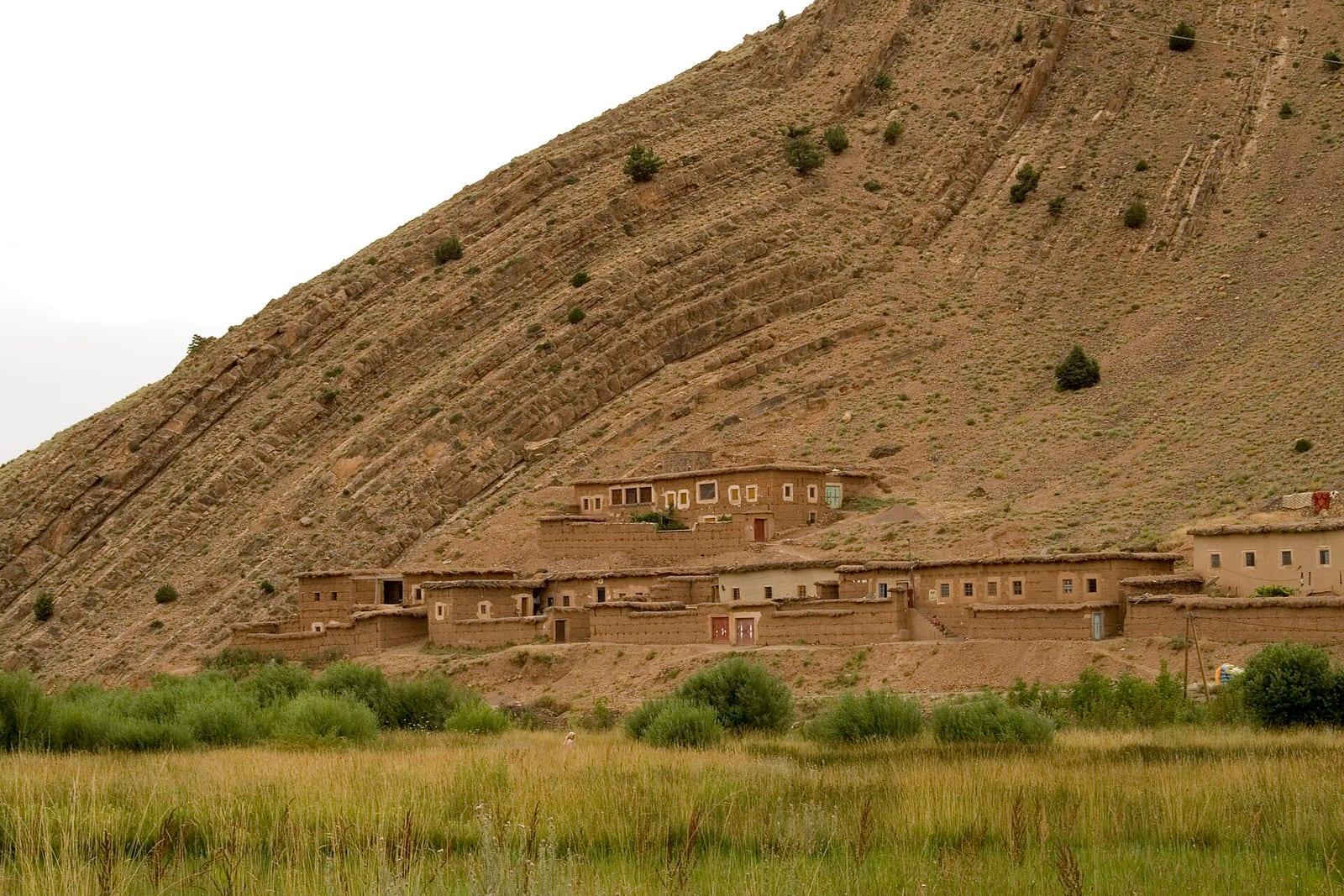
The Amazigh — known internationally as Berbers, though they refer to themselves as the Amazigh (plural: Imazighen, meaning "the free people") — are Morocco's indigenous inhabitants. Their civilization, traditions, and sustainable agricultural practices have flourished across the Atlas Mountains and Sahara for over four thousand years.
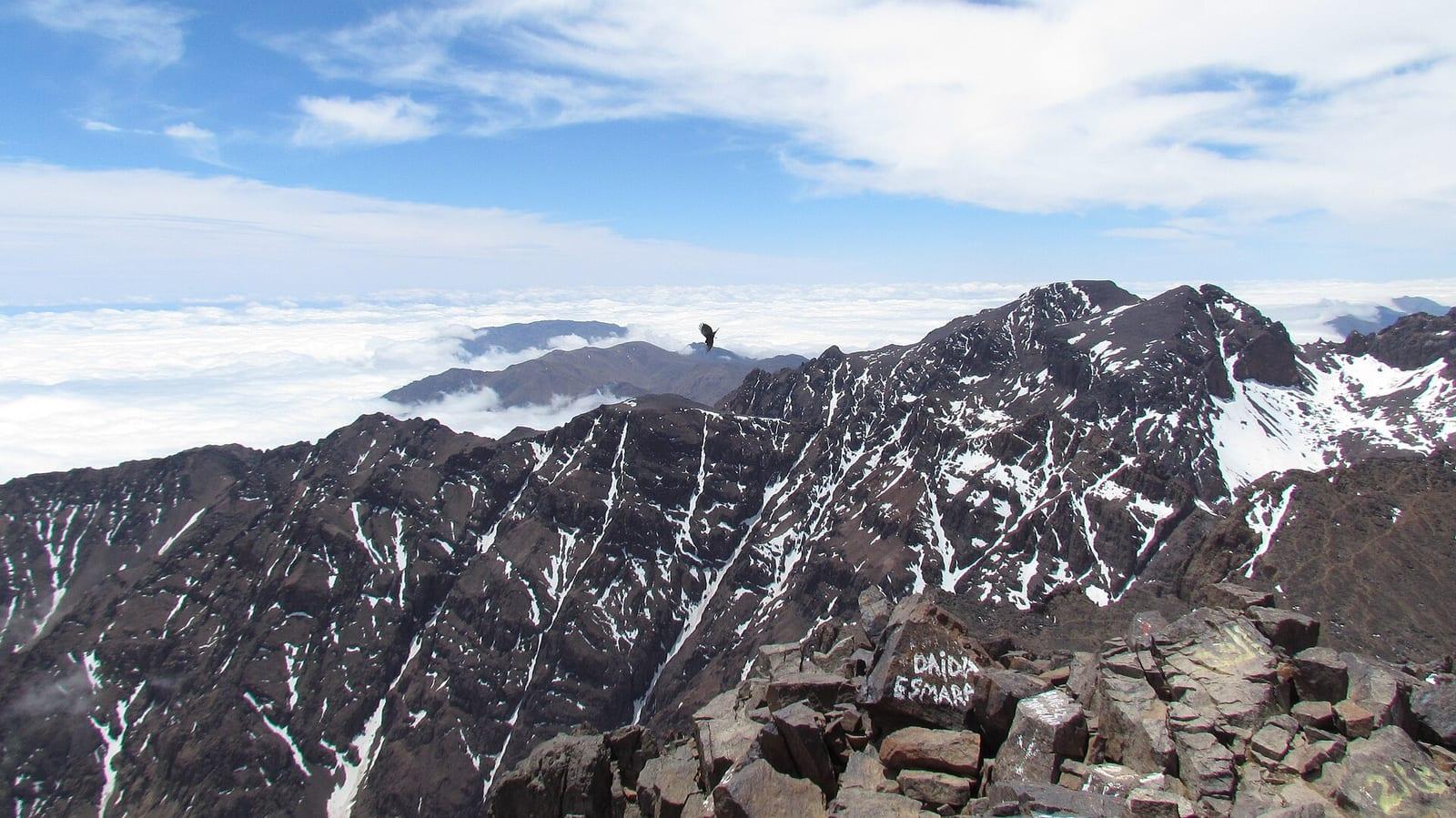
When you trek through the High Atlas, you are not stepping into an uninhabited wilderness; you are walking through an ancient, inhabited cultural landscape. Understanding Amazigh culture and trail etiquette ensures your presence is respectful, welcoming, and enriching for local host communities.
1. The Sacred Ritual of Mint Tea (Atay)
Hospitality is a central pillar of Amazigh life. When a local family invites you to sit on wool carpets and drink mint tea, it is a genuine expression of goodwill and welcome, not a commercial transaction.
Traditional tea is prepared with green gunpowder tea, fresh spearmint leaves, and sugar, poured from high above the glass to create a foamy crown (regga). When offered tea, accept with your right hand. It is polite to drink at least one or two small glasses before gently declining additional refills with a warm hand placed over your heart and the word Tanemmirt (thank you in Tamazight).
2. Mountain Trail & Mule Etiquette
Atlas trails are actively used every day by local farmers, pack mules, and goat shepherds:
- Yield to Working Mules: When a pack-mule team approaches on a narrow mountain trail, always step to the mountain (incline) side of the path, never to the cliff edge. Mules carry bulky panniers that can inadvertently brush against you.
- Respect Communal Irrigation (Séguia): The complex network of hand-dug irrigation channels that feeds valley walnut and barley terraces represents centuries of communal engineering. Never wash boots or discard refuse in a running séguia.
- Greeting on the Trail: When crossing paths with villagers, a gentle greeting creates immediate warmth. Say "Azul" (hello) or "Salam Alaykum" (peace be upon you), followed by "Labas?" (how are you?).
3. Modesty & Village Photography
While mountain communities are accustomed to international hikers, respectful dress is deeply appreciated when walking through residential village lanes. Cover your shoulders and knees; reserve short shorts or sports bras for isolated high mountain passes rather than village centres.
Always ask for verbal permission before photographing individuals, particularly women and village elders. If someone gestures decline, respect their privacy with a smile. Never hand out sweets or money directly to children on the trail, as this encourages begging and truancy from village schools; instead, support village schools through recognized local cooperatives.
Field Contributor
Fatima Benali
Native guide and outdoor expedition specialist with Morocco Tours & Trips. Dedicated to responsible travel and authentic mountain & desert exploration across North Africa.