Morocco is a country of dramatic geographical and climatic contrasts. The difference between a perfect trekking day in the Atlas and an uncomfortably hot or snowbound expedition can be a matter of just a few weeks on the calendar. Understanding how elevation, oceanic winds, and the Sahara desert interact is the key to timing your trip perfectly.
Spring: March to May — The Golden Adventure Window
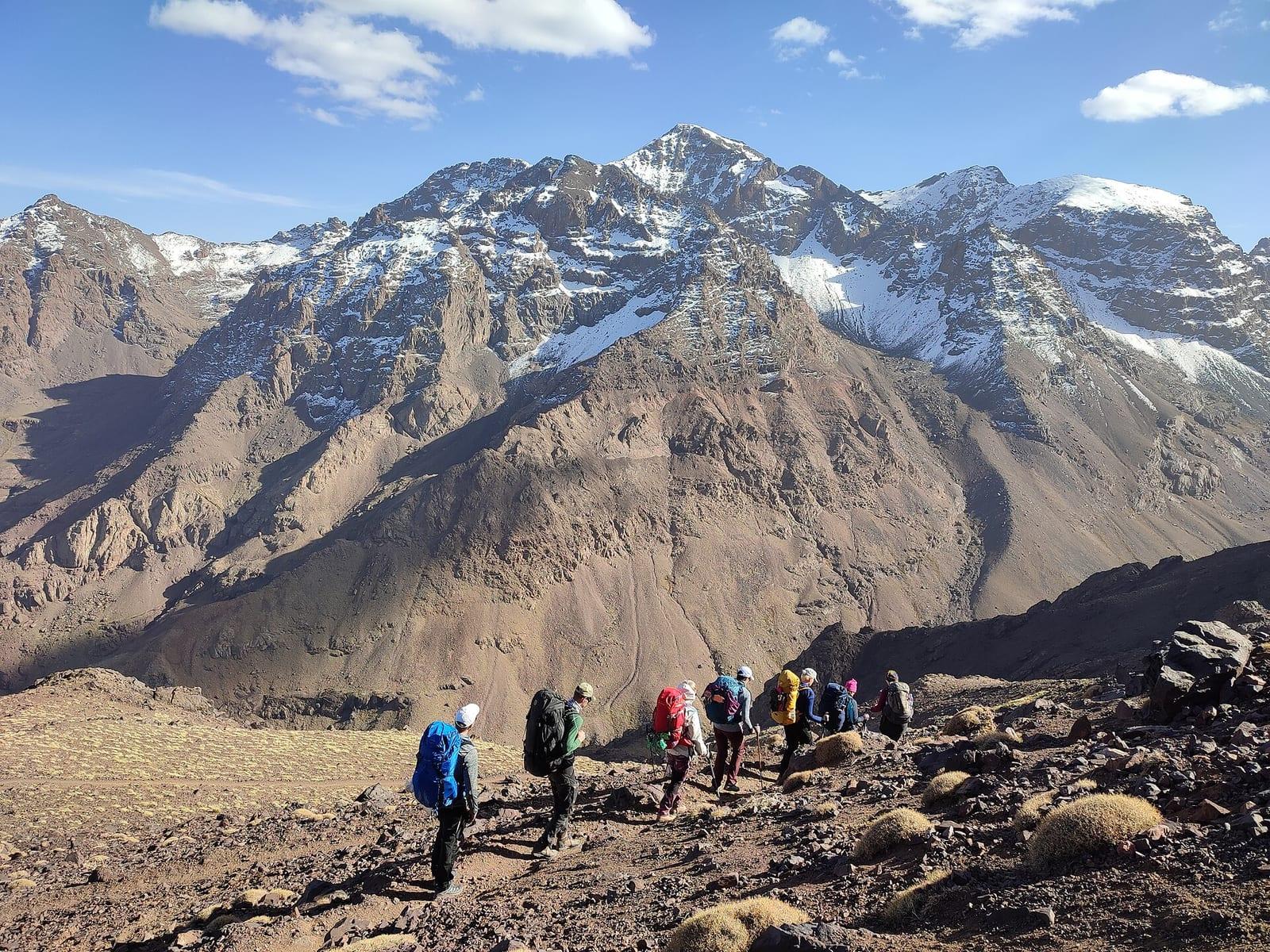
Spring is widely considered the finest season for outdoor expeditions across Morocco. In the High Atlas, snow begins melting from high passes, valley streams run full, and alpine meadows in Aït Bouguemez and the Azzaden Valley erupt into vibrant wildflower carpets. Temperatures in the valleys hover around 20°C–25°C, providing ideal conditions for multi-day trekking and mountain biking.
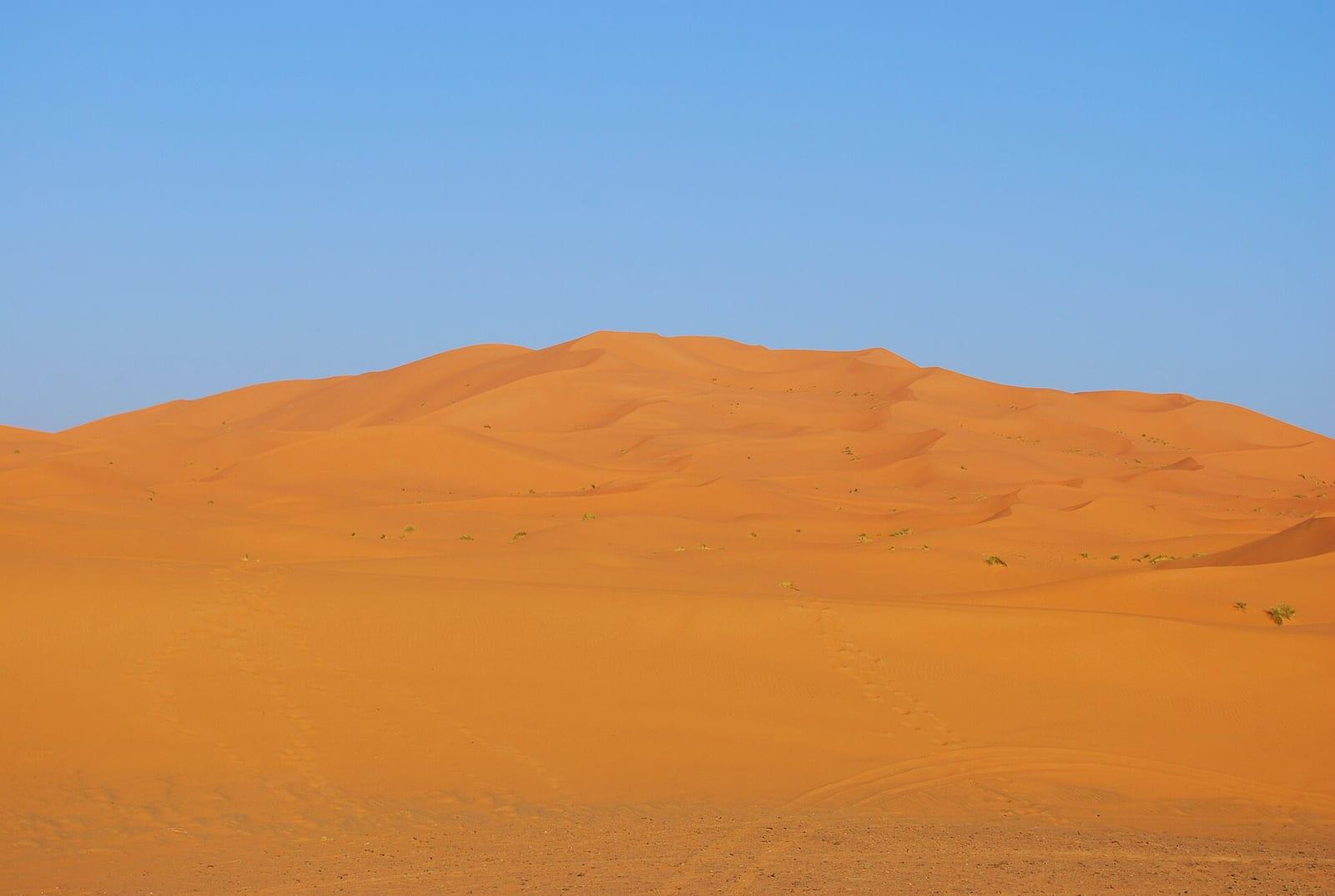
In the Sahara, spring brings warm, comfortable daytime temperatures (around 26°C–30°C) and clear, star-filled nights without the biting cold of midwinter. April and May are especially spectacular for combining High Atlas hiking with an Erg Chebbi desert journey.
Autumn: September to November — Crisp Skies and Harvest Rhythms
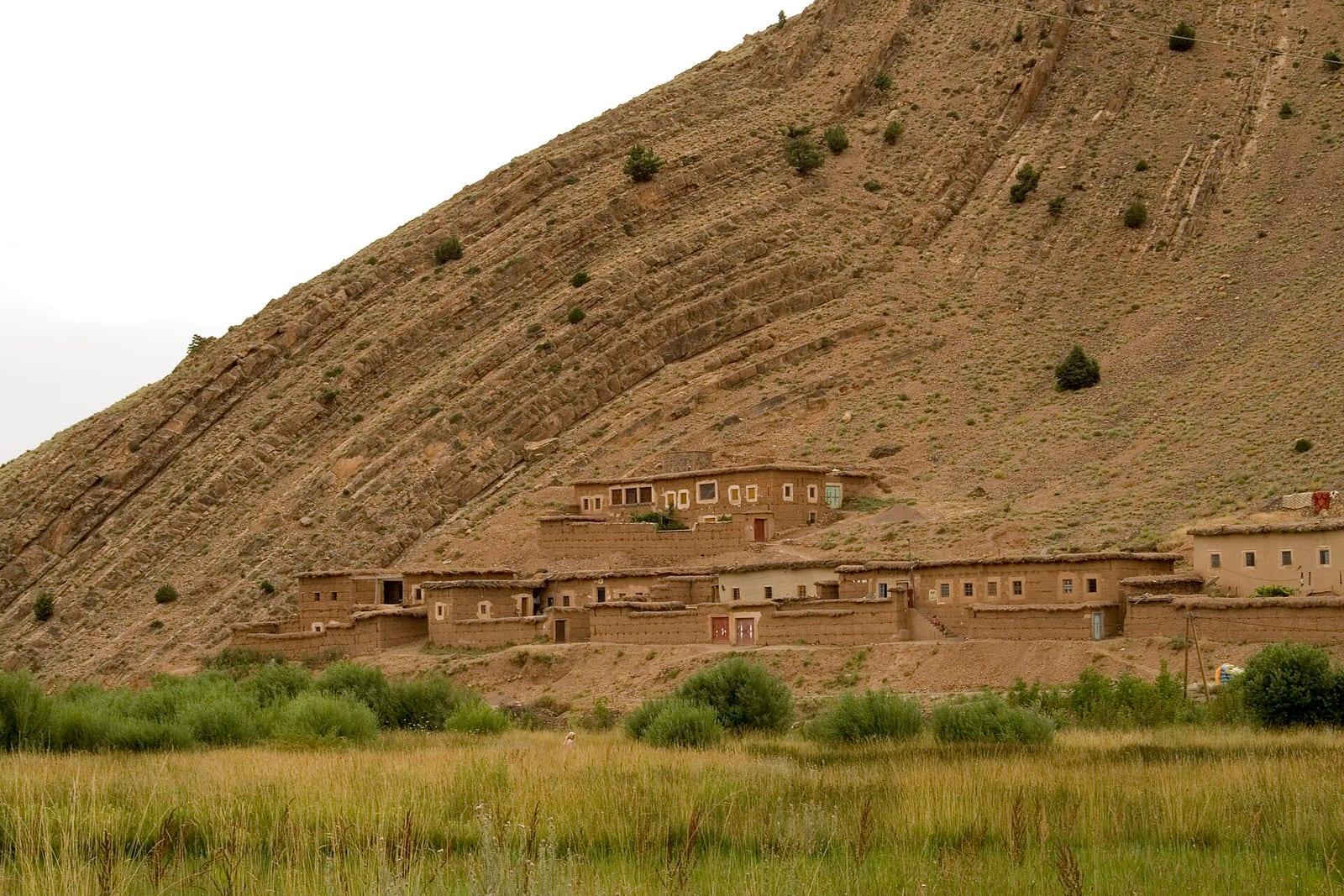
Following the dry summer, autumn brings crystal-clear mountain atmosphere, cooler temperatures, and stable weather patterns. The summer tourist crowds disperse, leaving trails and refuges delightfully peaceful. In mountain valleys, the annual walnut, apple, and almond harvests are in full swing, filling the villages with celebratory agricultural life.
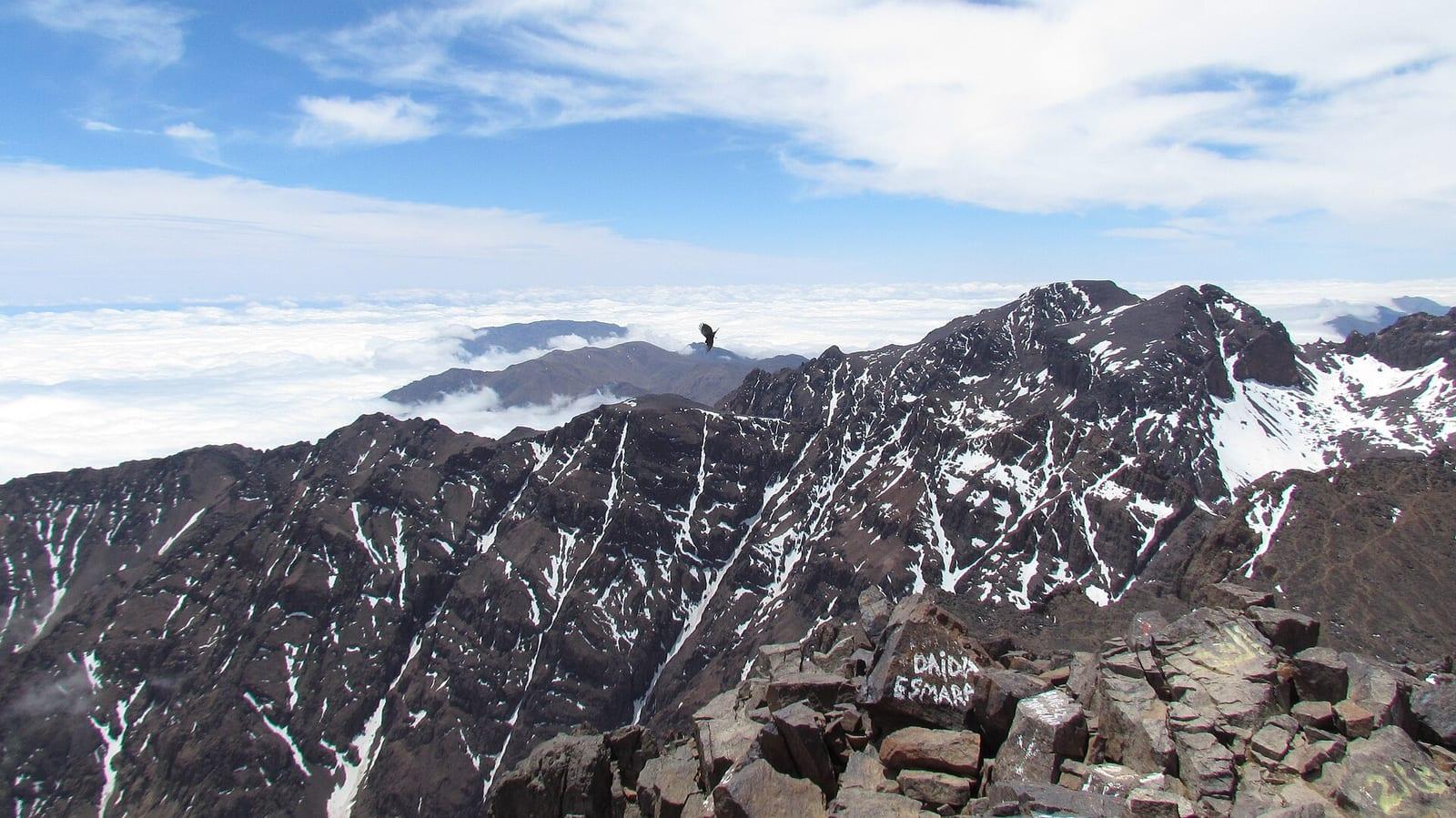
October is our top-recommended month for climbing Mount Toubkal: daytime trail conditions are clear, summit winds are generally moderate, and visibility extends hundreds of kilometres to the Anti-Atlas ridges. For the Sahara, late October and November offer sublime desert warmth without midday heat fatigue.
Winter: December to February — Snow Mountaineering & Desert Trekking
Winter divides Morocco into two distinct adventure realms. Above 3,000 metres in the High Atlas, the terrain transforms into a genuine alpine environment. Mount Toubkal becomes a snow and ice mountaineering objective requiring crampons, ice axes, and alpine climbing skills. For mountaineers seeking North African winter ascents, this is prime season.
Simultaneously, winter is an extraordinary time for Sahara desert trekking and mountain biking across the pre-Saharan volcanic ridges of Jebel Saghro and the Anti-Atlas. Daytime temperatures in the desert are pleasant (18°C–22°C), though nights are cold (often dropping to freezing).
Summer: June to August — High Alpine Retreats
Midsummer in Marrakech and the Sahara is fiercely hot, with temperatures regularly exceeding 42°C. Desert expeditions are paused during July and August. However, the high mountain valleys above 2,500m offer refreshing mountain air. High-altitude treks across the M'Goun Massif and Toubkal remain popular during summer, provided you begin walking at first light to conclude before midday heat peaks.